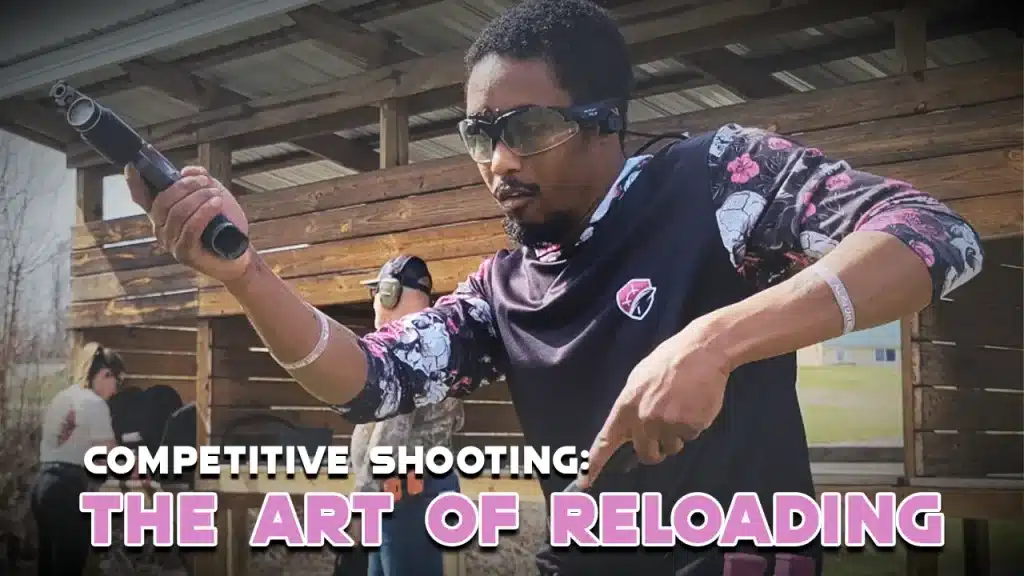
Hey all! 6-1 here again, bringing some content regarding the illustrious act of reloading in a competition context. With this topic, I’m keeping it specific to non-retention reloads. I will not be covering retention reloads, where one stores the ejected magazine on their person as required by certain shooting leagues.
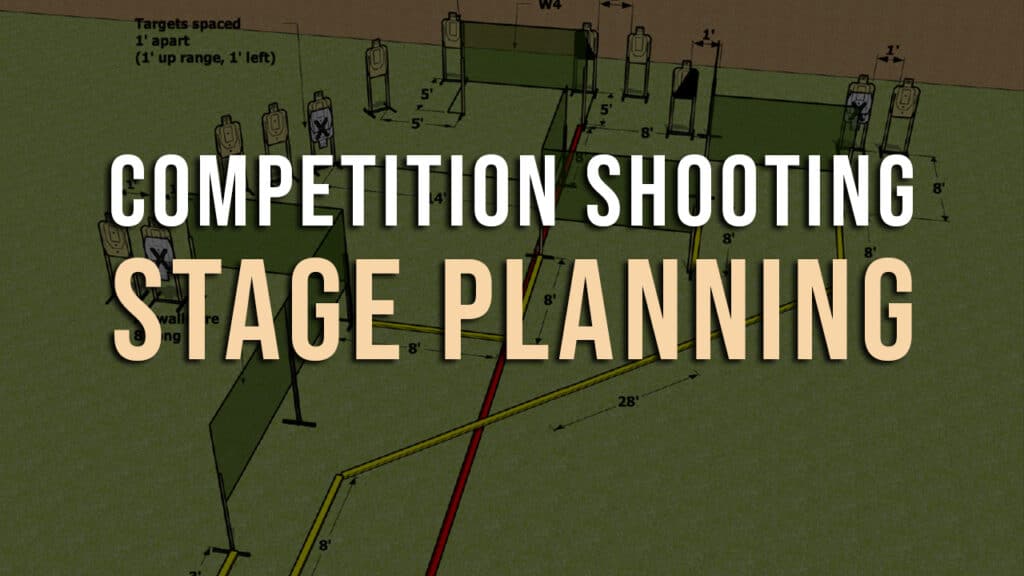
USPSA is a sport in which mechanical skill, planning, and plan execution under duress marry to drive an individual’s performance on a given course of fire. That said, shooting is the easy part I’d say makes up ~10% of the actual game. The other ~90% is stage planning and execution.
The next moment you hear, “If finished, unload and show clear…”. Aside from going over your plan one more time in your head, you remember little more than a blur. “Two Alpha. Two Alpha. Alpha Charlie…Scoring complete!” You look at your review and see you just took a stage win by a solid margin. However, the thoughts of “I didn’t see my dot most of that time” or, “did I forget my reload?” still linger. These thoughts certainly hung on me, until I got into understanding one of the keys to high-speed, accurate shooting. What is that? It’s performing with no thought, in an almost Zen like state.
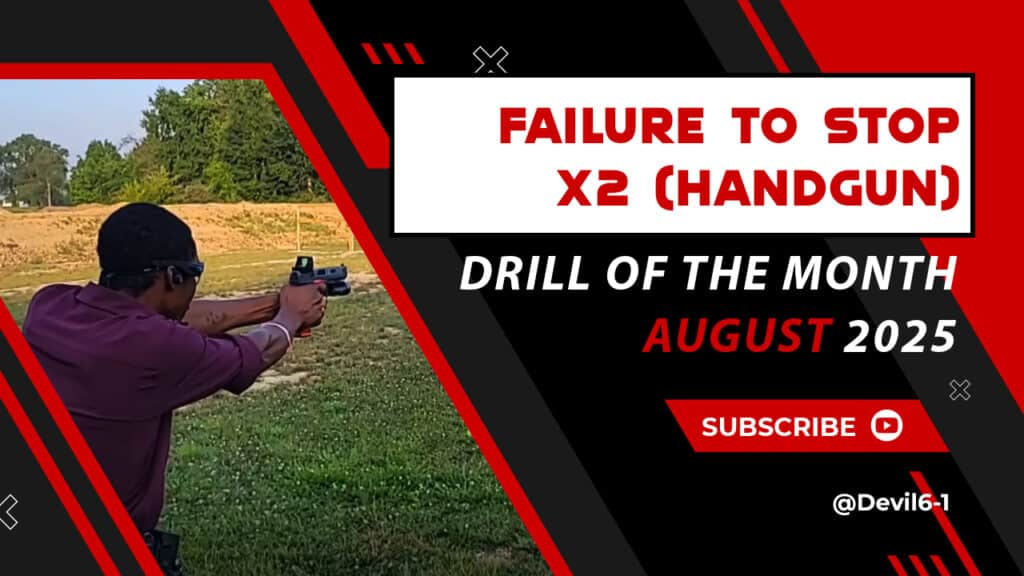
The Double Failure to Stop Drill with a reload as written is made to push the shooter to get out of their comfort zone, and break past a cadence of bang-bang-pause-bang. Much like my rifle version of this drill, the primary time gain here is to reflexively make the micro-motion to acquire the head shot, and have all three shots per target have the same split time.
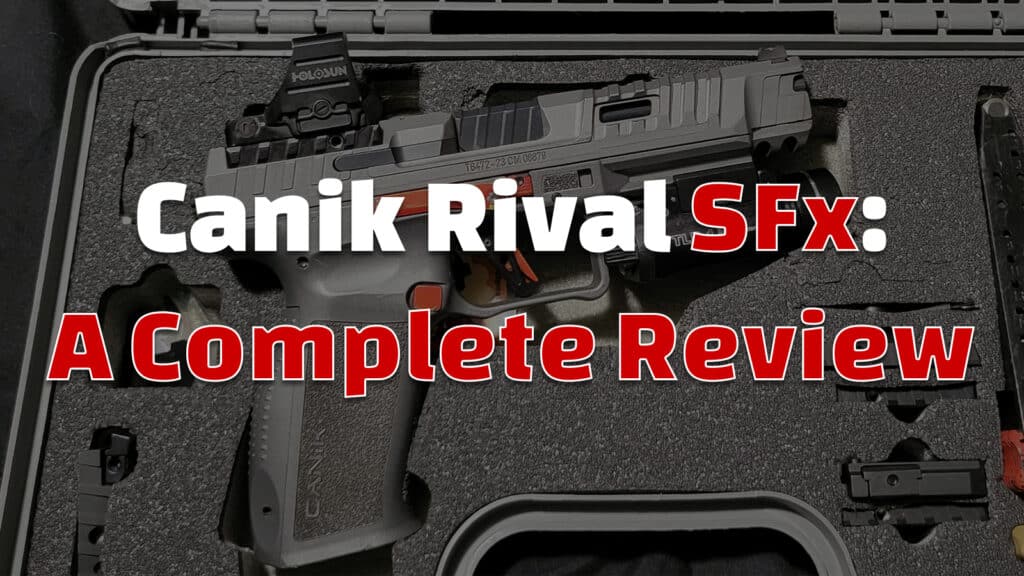
Why did I buy this gun? I was running a Beretta 92FS in competition–DA/SA–and I didn’t fancy the heavy first round trigger pull or the need to toggle the safety off the buzzer but was in love with the crisp SA trigger pull. On top of that, the 15-round capacity of the 92FS was causing some undesirable, but planned reloads. As a result, I went hunting for a decent striker fired gun. It ended up being between the Walther PDP series and the Canik Rival.
Dry Fire is the simple act of running your gun without any ammo. This involves charging your firearm and dropping the striker or hammer. You may have heard that this is bad for your gun: It is not.
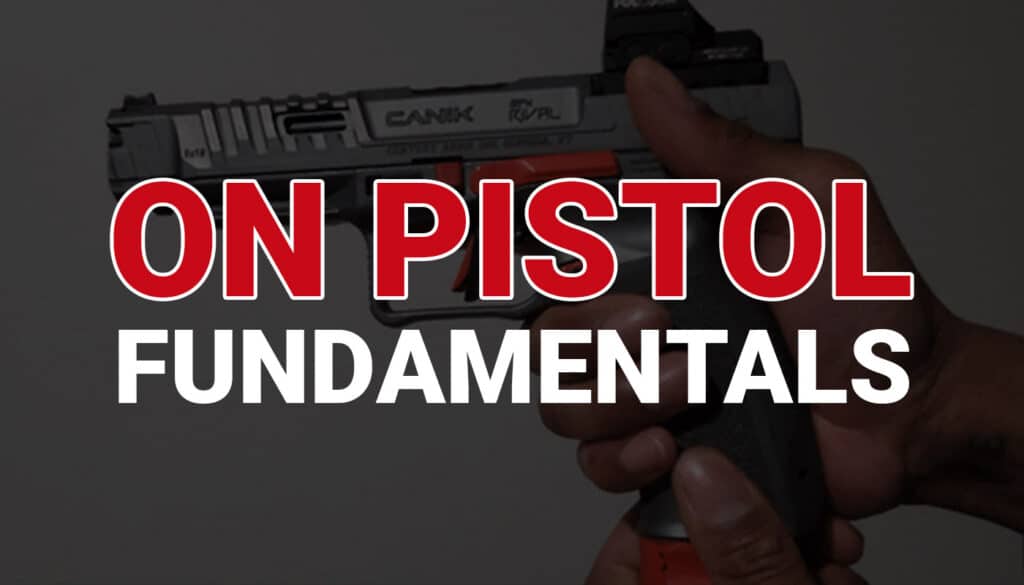
I’ve got a short article regarding some important fundamentals of pistol shooting. To get good, these should be revisited, analyzed, and practiced routinely. These simple fundamentals are: Stance, Grip, Sight Alignment, and Trigger Pull. All of these play a role in accuracy and recoil management.
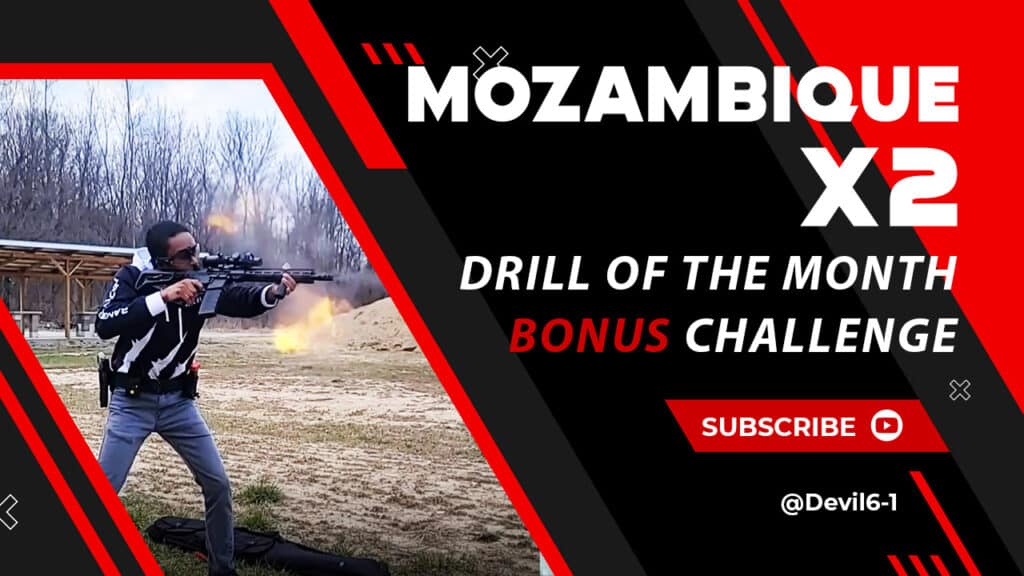
The Mozambique Drill as modified here is quite simple. Setup 2 USPSA Standard targets 7 yards from the starting line with a 5-foot spacing between targets. The start position is a compressed high or low ready with the stock under or over the shoulder respectively.
On the audible sound of the buzzer, engage target one with 3 rounds–two to the body and one to the head–, perform a mandatory reload, and engage target two in the same fashion. Alphas are required for all four body shots. The two head shots are not required to be alphas. The maximum par time for the drill is 6.50 seconds. Let’s see some action!