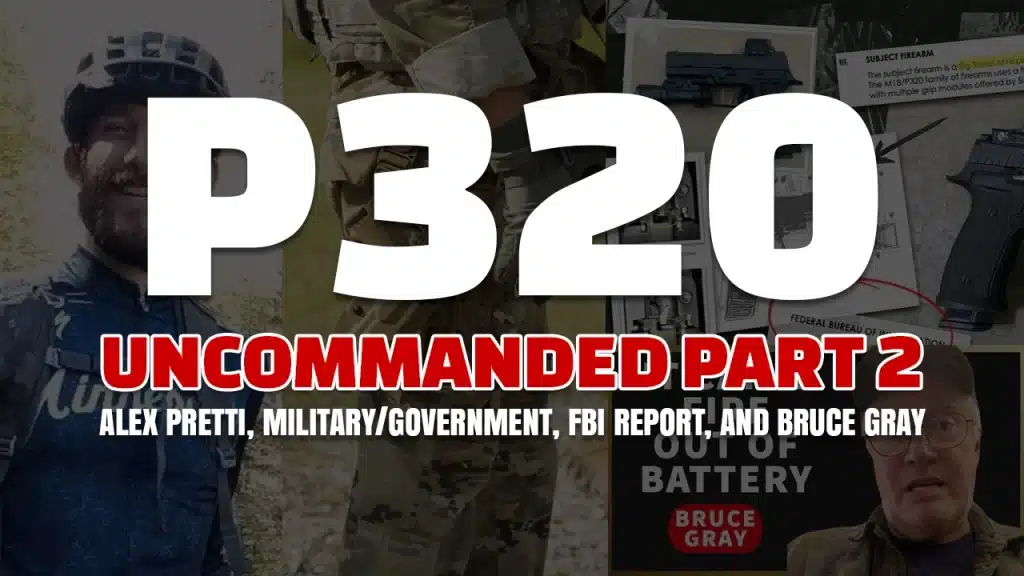
I wanted to create this follow-up to address the issues with Sig Sauer’s P320 platform I am seeing from both sides of the existing argument, as well as to clear some of the smoke on what answers I am seeking. This is not meant to hammer down on broader accusations.
The Ugly Stand offers one of the most compact and portable target stand designs for shooters who want to save time and space during training. In this review, we break down its features, performance, durability, pros, cons, pricing, and whether it’s worth adding to your range gear setup.
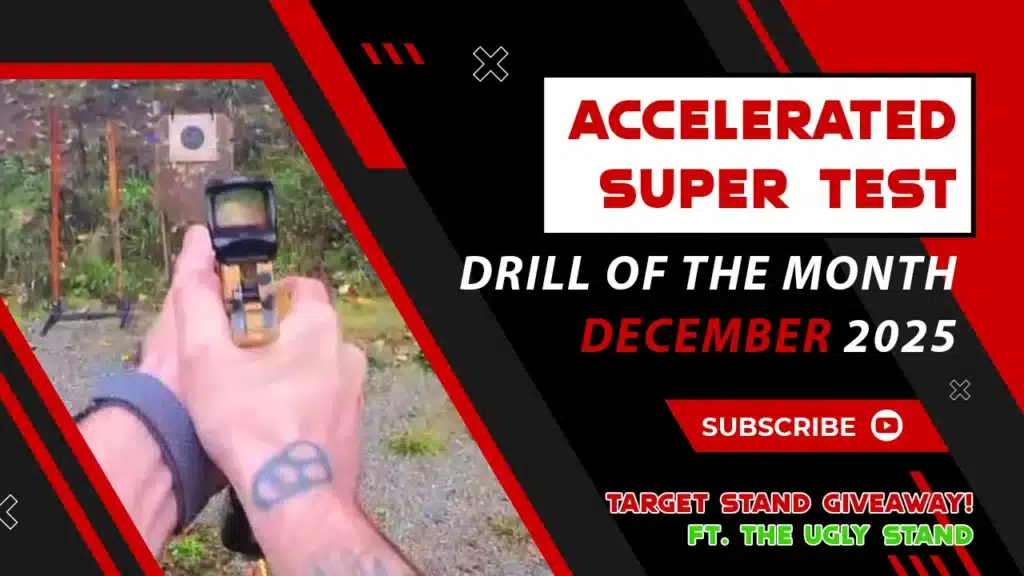
Level up your handgun fundamentals with the Accelerated Super Test, our Drill of the Month challenge. This timed B8 accuracy drill includes three rapid strings at 5, 10, and 15 yards with a 135-point minimum score requirement. Learn setup, scoring, handicaps, and tips to tighten your groups and improve match-ready consistency.
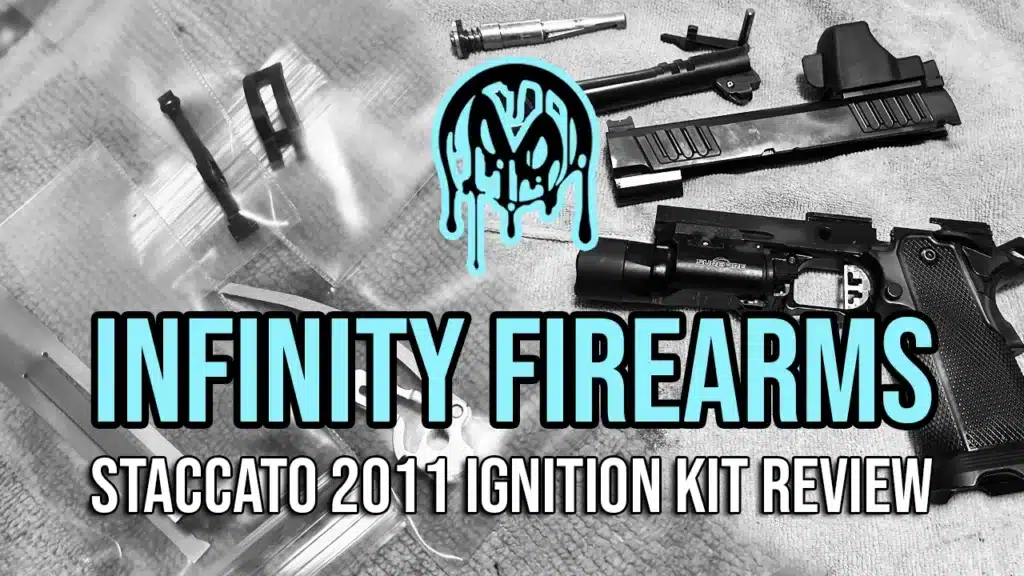
Get my first impressions of the SVI Ignition Kit for 1911/2011 pistols. We explore trigger improvements, components, and why I chose to upgrade my Staccato 2011 P.
RunFactor is an expanded Discord-based chat tool, designed to initially support the official USPSA classification calculator. While it operates on a static set of data in accordance with USPSA guidelines and API restrictions, the tool stays reasonably current through updates drawn from the most recent High Hit Factor (HHF) values published by USPSA. Looking ahead, we plan to broaden the toolset to include Steel Challenge, IDPA, and PCSL calculations, offering competitors across multiple leagues the same level of access and insight after beta testing.
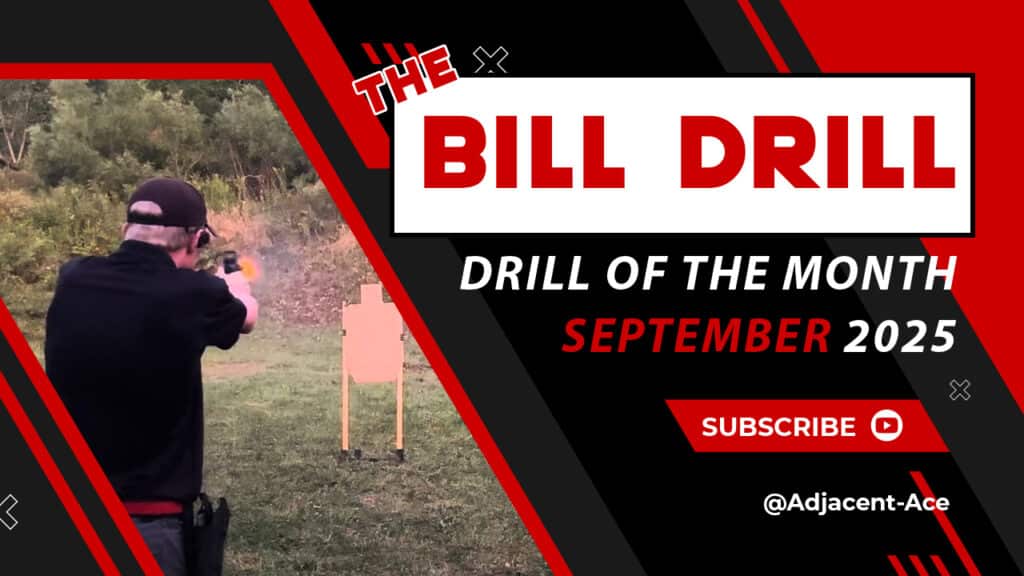
The Bill Drill is a classic, low round-count pressure test that pairs draw speed with recoil management and shot-calling. It’s pure fundamentals: grip, sights, trigger, cadence. Like most of our monthly picks, it’s solo-friendly and easily run on a single target with minimal setup required.
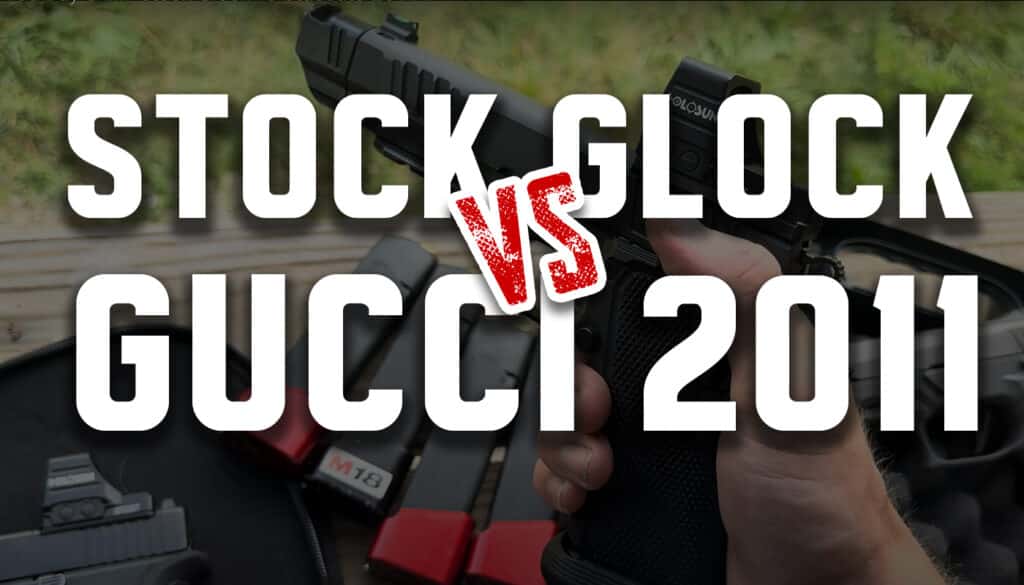
We’ve all seen it. Shooters dumping thousands of dollars into their handgun, trying to chase performance. New trigger kits, tungsten rods, magwells, aluminum grips, high-end optics, and certainly more. However, does that money translate into practical performance? Are any of those upgrades truly needed for the average shooter, or is it purely a competition-focused arms race?
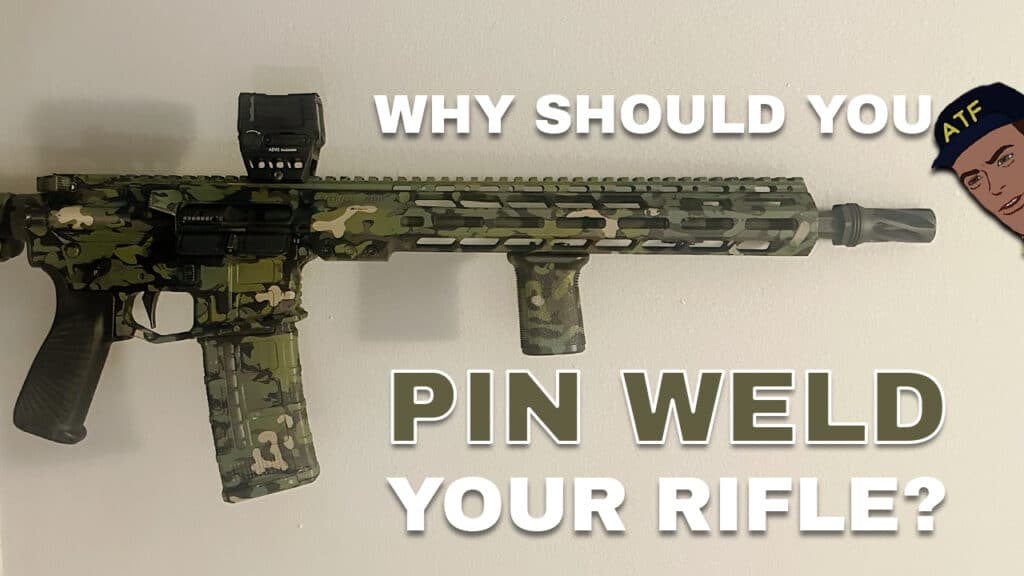
Pinning and welding a muzzle device to a rifle is often done to comply with legal barrel length requirements. In the United States, rifles must have a minimum barrel length of 16 inches. If a barrel is shorter than this, permanently attaching (via pinning and welding) a muzzle device like a flash hider or muzzle brake can extend the overall length to meet legal standards. This method ensures the device cannot be easily removed, which is critical for legal classification. However, there are some benefits beyond legal compliance. Pinning and welding can also enhance durability, by preventing the device from loosening over time. Under heavy use or sustained fire, this is especially helpful.
The Low–High Reload Drill is a straightforward, low round count exercise that blends fundamentals with shot placement prioritization and a reload under mild pressure. It introduces visual transition control and emphasizes accountability on both speed and accuracy.